


Blog
Are Kites Allowed in Pakistan?

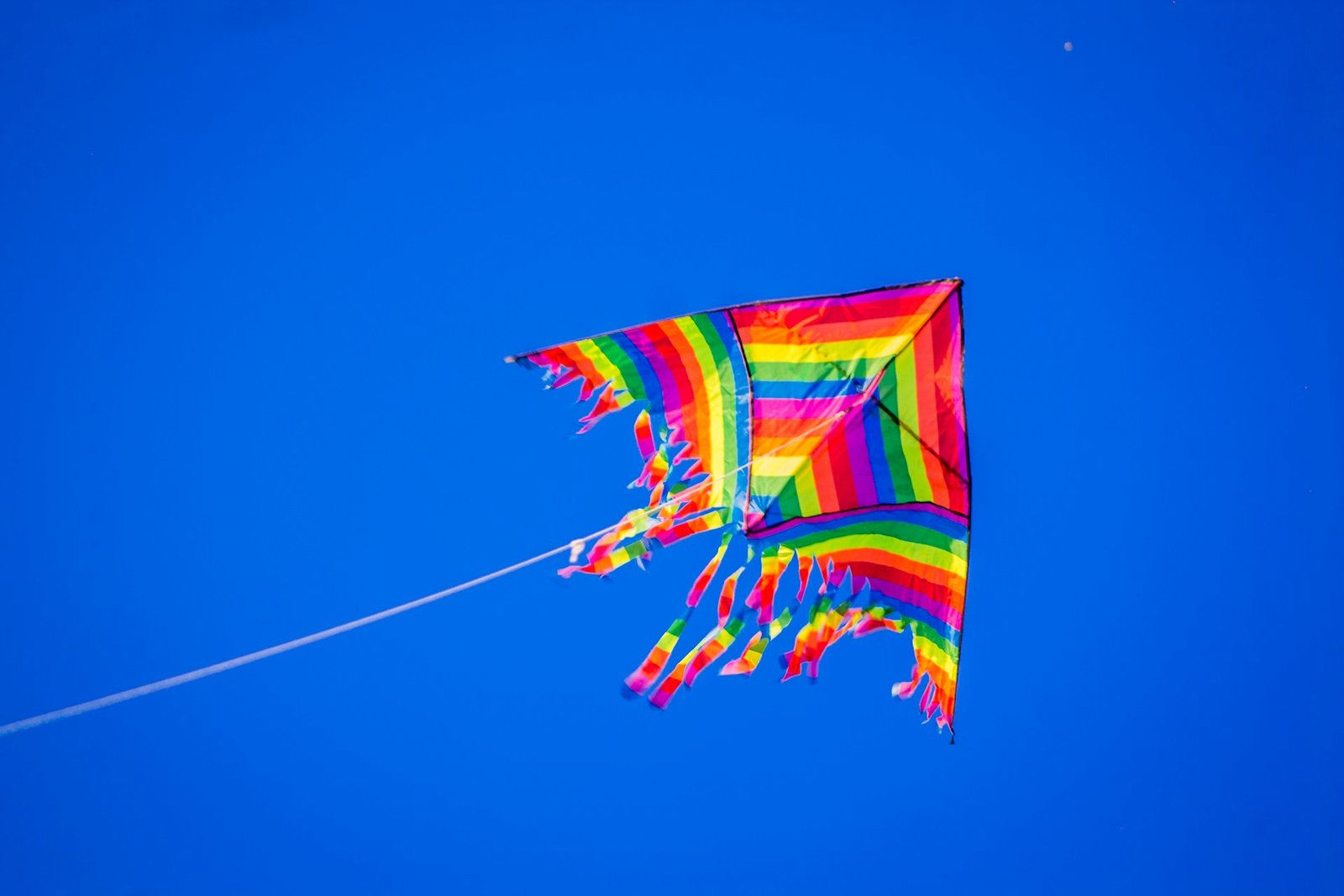
Short answer: It depends on the province and current government restrictions. In many parts of Pakistan, kite flying is either completely banned or heavily restricted due to safety concerns. You must check local laws before flying a kite.
Kite flying has deep cultural roots in Pakistan, especially during the Basant season in cities like Lahore. But over the years, accidents and safety issues led authorities to impose strict bans in several regions.
Here is a clear breakdown so you understand the situation properly.
Why Was Kite Flying Banned in Pakistan?
Kite flying used to be a major celebration activity, especially in Punjab. However, serious problems started happening:
• Use of metal or chemical-coated string (known as “dori”)
• Injuries to motorcyclists from sharp strings
• Electrocution from strings touching power lines
• Rooftop falls during kite battles
• Even deaths in some cases
Because of these incidents, provincial governments introduced strict laws to protect public safety.
Is Kite Flying Legal in Punjab?
In most cases, kite flying is banned in Punjab, including cities like Lahore, Faisalabad, and Rawalpindi.
The Punjab government passed strict anti-kite flying laws. Manufacturing, selling, transporting, or flying kites can lead to:
• Heavy fines
• Arrest
• Jail time
• Police cases
Authorities enforce these rules especially before Basant season, when kite flying used to peak.
Sometimes there are discussions about allowing kite festivals under strict safety rules, but generally, the ban remains active.
What About Sindh Province?
In Karachi and other parts of Sindh, kite flying has also faced restrictions. There have been periodic bans, especially after accidents.
However, enforcement may vary depending on the situation and safety concerns at the time.
It is important to check local news or official announcements before flying a kite in Sindh.
Is Kite Flying Allowed in Khyber Pakhtunkhwa (KP)?
In Peshawar and other KP areas, kite flying has also been restricted at different times due to safety issues.
Local authorities may impose bans temporarily if accidents increase.
What About Islamabad?
In Islamabad, kite flying is generally restricted. Police take action against public kite flying, especially if unsafe string is used.
Why Is the Ban So Strict?
The main reason is safety.
The dangerous string used in competitive kite flying is often coated with glass powder or metal. When stretched across roads, it can:
• Cut motorcyclists’ necks
• Damage vehicles
• Cause power outages
• Injure children
Many tragic incidents forced authorities to treat kite flying as a public safety issue rather than just a cultural activity.
Are There Any Legal Ways to Fly Kites?
In most provinces, public kite flying is illegal. However, sometimes:
• Private indoor events
• Government-approved festivals
• Controlled, supervised events
may be allowed under strict conditions.
But these are rare and must be officially permitted.
You cannot legally fly kites freely on rooftops or streets in banned areas.
What Happens If You Fly a Kite Illegally?
Penalties can include:
• Confiscation of kites and string
• Police arrest
• Fine
• Jail sentence
• Criminal record
In Punjab especially, the penalties are serious.
Is Basant Festival Still Celebrated?
Basant used to be one of the biggest festivals in Lahore. Rooftops were full of people flying colorful kites.
Today, Basant celebrations are largely banned in Punjab due to safety reasons.
There have been discussions about reviving it in a safe way, but as of now, kite flying remains restricted.
Final Answer: Are Kites Allowed in Pakistan?
There is no single answer for the entire country, but generally:
• Kite flying is banned or restricted in many provinces
• Punjab has one of the strictest bans
• Penalties can be serious
• Safety concerns are the main reason
Before flying a kite anywhere in Pakistan, always check the latest local government announcements.
If you are planning to travel or participate in any festival, confirm the current legal status in that city.
