


Blog
Full History of Kite Flying

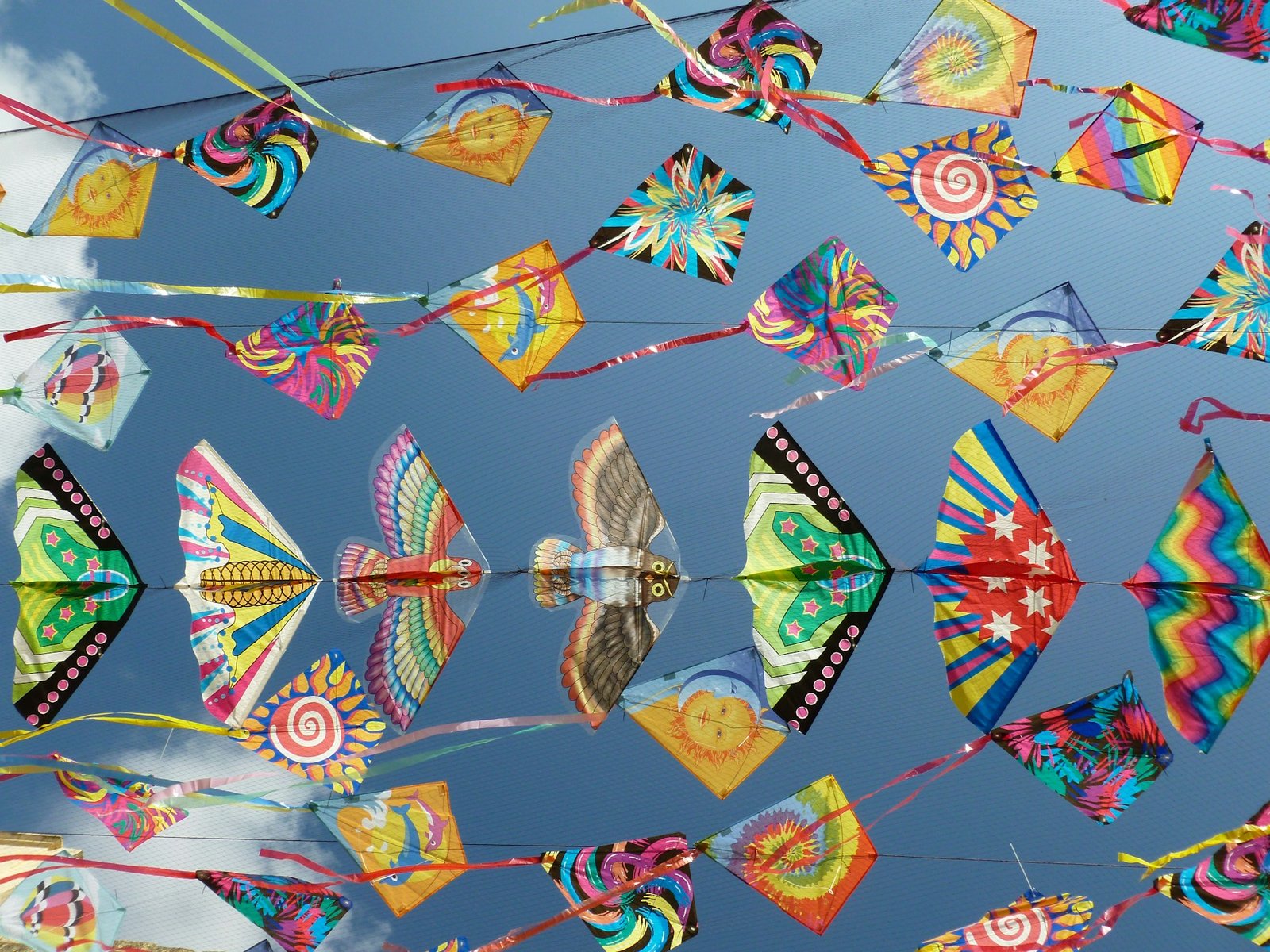
Kite flying is one of the oldest hobbies in the world. It started thousands of years ago and is still popular today. What began as a simple invention made from bamboo and silk has now become a sport, a cultural tradition, and even a scientific tool. Here is the complete history of kite flying in simple and clear words.
The Origin of Kites in Ancient China
Most historians agree that kites were first invented in China more than 2,000 years ago. Some records suggest kites appeared during the Warring States period (around 475–221 BC).
Early Chinese kites were made using:
- Bamboo frames
- Silk fabric
- Strong silk thread
At first, kites were not toys. They were used for military and communication purposes. Soldiers used kites to:
- Measure distances
- Test wind direction
- Send signals
- Scare enemies with sound-making kites
One famous early kite maker was Mozi, who is believed to have built wooden bird-shaped kites.
Over time, kite flying became a recreational activity in China, especially during festivals.
Kites Spread Across Asia
From China, kite flying spread to nearby countries like Korea, Japan, India, and Malaysia.
Each country developed its own kite style and traditions.
In Japan, large decorative kites were flown during celebrations and competitions. Some were huge and required many people to lift them.
In Korea, kites were often flown during New Year celebrations. People wrote wishes or bad luck on the kite and then cut the string, believing it would carry away bad fortune.
In India, kite flying became a major cultural event. The festival of Makar Sankranti is famous for kite flying competitions. During this festival, the sky fills with colorful kites, and people compete to cut each other’s kite strings.
In Malaysia, the traditional kite called “Wau” became part of local culture. The Wau Bulan (Moon Kite) is especially famous for its beautiful design.
Kites Reach the Middle East and Europe
Kites slowly traveled west through trade routes like the Silk Road. They reached the Middle East and later Europe around the 13th century.
The explorer Marco Polo is often credited with bringing knowledge of kites from Asia to Europe after visiting China.
In Europe, kites were first seen as strange flying objects. Over time, people started experimenting with them for science rather than just fun.
Kites in Scientific Discoveries
One of the most famous moments in kite history happened in 1752. Benjamin Franklin used a kite during a thunderstorm to prove that lightning is electricity.
He tied a metal key to the kite string. When lightning struck, electricity traveled down the wet string and produced sparks. This experiment helped scientists understand electricity better.
After that, kites became important scientific tools. They were used to:
- Study weather
- Measure wind speed
- Conduct atmospheric research
Before airplanes were invented, scientists even tried lifting people into the air using large kites.
Kites and the Birth of Aviation
Kites played a big role in the development of airplanes. In the late 19th century, inventors studied how kites lift into the air.
The famous aviation pioneers Orville Wright and Wilbur Wright studied wing designs similar to kites before building their first airplane.
Large box kites were also used to test flight theories. Without kite experiments, modern airplanes might not have developed so quickly.
Kite Flying as a Sport
In the 20th century, kite flying changed from science and tradition to sport and hobby.
New materials like nylon and plastic replaced silk and bamboo. This made kites:
- Lighter
- Stronger
- Cheaper
- Easier to control
Sport kites and stunt kites became popular. These kites can:
- Perform tricks
- Spin and dive
- Fly in patterns
- Be controlled with two or four strings
International kite festivals began to appear in many countries. People now compete for:
- Highest kite
- Most creative design
- Longest flight time
- Best stunt performance
Cultural Importance of Kite Flying
Kite flying is not just a hobby. In many countries, it is deeply connected to culture and festivals.
In India and Pakistan, entire cities stop to celebrate kite festivals.
In Malaysia, the Wau kite represents national heritage.
In Japan, giant kites are flown during traditional festivals.
In China, kite flying during the Qingming Festival is a symbol of good luck.
Kites often represent:
- Freedom
- Hope
- Celebration
- Good fortune
They are also seen as a way to bring families and communities together.
Modern Kites and Technology
Today, kite technology has advanced greatly. There are:
- Power kites used for extreme sports
- Kite surfing equipment
- Giant display kites shaped like animals and characters
- LED light kites for night flying
Some engineers are even studying kite systems to produce wind energy. Large kites flying at high altitudes can generate electricity using strong winds.
Kite surfing has also become a popular sport worldwide, combining surfing and wind power.
Why Kite Flying Still Matters Today
Even in the modern digital world, kite flying remains popular because it is:
- Simple
- Affordable
- Fun for all ages
- A great outdoor activity
It does not require expensive equipment. A simple kite and open space are enough.
Flying a kite teaches:
- Patience
- Wind understanding
- Basic physics
- Hand-eye coordination
Most importantly, it brings joy. Watching a kite rise into the sky creates a feeling of freedom that people have enjoyed for thousands of years.
Conclusion
The history of kite flying is long and fascinating. It started in ancient China as a military tool. It spread across Asia and became part of cultural traditions. It reached Europe and helped scientists understand electricity and flight. It even played a role in the invention of airplanes.
Today, kite flying is a hobby, a sport, a cultural celebration, and even a source of renewable energy research.
From simple bamboo frames to high-tech stunt kites, the journey of kite flying shows how a simple invention can influence science, culture, and human happiness for over 2,000 years.
